

Relines and rebases | Vernon, Kelowna, Lake Country
Denture relines and rebases for a snug fit again
Your gums and jaw slowly change shape after teeth are removed, so even a great denture gets loose over time. A reline or rebase refits your denture to your mouth as it is today, in our own Vernon lab.
Family run since 1974 | CDCP provider | No referral needed
Why dentures get loose
What is a denture reline?
After teeth are removed, the bone and gums underneath slowly shrink. Your denture stays the same shape, so a gap opens up between the denture and your gums. That is when a denture starts to rock, rub, trap food or need more and more adhesive.
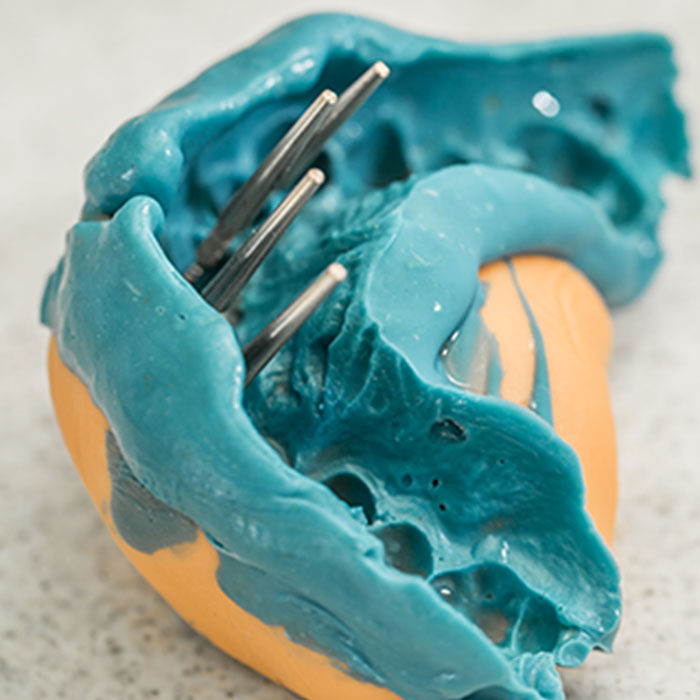
A reline fills that gap. We take an impression inside your current denture, then add new acrylic to the fitting surface in our lab so it sits tight against your gums again. We recommend a refit every 2 to 3 years to keep your denture comfortable and stable.

Your options
Reline vs rebase
Reline
New acrylic is added to the fitting surface of your denture so it matches the shape of your gums today. Your teeth and the rest of the base stay the same. The most common way to fix a loose denture.
Rebase
All of the pink part of the denture is replaced, while your existing teeth are kept. A rebase gives you a custom refit to your gums, removes bacteria that builds up in old acrylic, and replaces tired, brittle acrylic so the denture is less likely to crack or lose a tooth.
New denture
If your teeth are badly worn or the denture is many years old, a reline may not be enough. We can talk through new full dentures or a new partial instead.
Signs you need one
How do I know my denture needs a reline?
- Your denture rocks or slips when you eat or talk
- You need more adhesive than you used to
- Food gets trapped under the denture
- You have sore spots or rubbing on your gums
- Your denture has cracked or a tooth has come off, since a loose fit puts extra stress on the base
- It has been more than 2 or 3 years since your last refit
A loose denture is one of the main reasons dentures break. If yours has already cracked, see our denture repairs page as well.
The process
How a reline works
Book a check
Call us and we will look at how your denture fits, check your gums and tell you whether a reline, a rebase or a new denture makes the most sense.
Impression and lab work
We take an impression inside your denture so we capture the exact shape of your gums. Our lab then adds or replaces the acrylic to match.
Fit and adjust
We fit your refitted denture, check your bite and smooth any pressure spots so it feels comfortable before you leave.
After extractions
Relines after immediate dentures
If you got immediate dentures on the day your teeth were removed, your gums shrink the most in the first few months of healing. Most patients need a reline once their gums have settled, so the denture fits the healed shape of their mouth.
We will let you know when the timing is right at your follow-up visits.
Paying for a reline
Insurance, CDCP and reline costs
The cost of a reline or rebase depends on the type of denture and how much work it needs. We will tell you before we start.
We bill insurance directly and we are a registered CDCP provider, so we can check what your plan covers when you book.
Reviews
What our patients say
No. 1 Denture Clinic in Vernon. They should be 100 stars not 5. Don’t call anyone or go to anyone else till you have been to Kasper Denture Clinic.Darlene T.
The receptionists are the best and of course Jason is amazing and so talented!Bee B.
Easy to book an appointment, good dentures and nice people.Charlie H.
Questions
Denture reline FAQs
How often should dentures be relined?
We recommend a refit every 2 to 3 years for most patients. You may need one sooner after extractions or if your denture starts to feel loose.
What is the difference between a reline and a rebase?
A reline adds new acrylic to the fitting surface of your denture. A rebase replaces all of the pink acrylic and keeps your existing teeth, which also removes old acrylic that has collected bacteria and become brittle.
Will I be without my denture during a reline?
Your denture has to come into our lab for the work. When you book, we will tell you how long it will be with us so you can plan around it.
Can a reline fix a denture that keeps cracking?
Often, yes. A loose denture flexes every time you bite, which is what causes many cracks. Refitting it to your gums takes that stress away.
Can you reline a denture that was made somewhere else?
In most cases, yes. Bring it in and we will check the fit and the condition of the denture first.
Does insurance cover denture relines?
Many plans cover relines. We bill insurance directly and are a registered CDCP provider, so we can check your coverage for you.
Where to go
Denture relines at all three of our clinics
Related services
Is your denture feeling loose?
Call the clinic closest to you and we will check the fit and let you know whether a reline, a rebase or a new denture is the right fix.